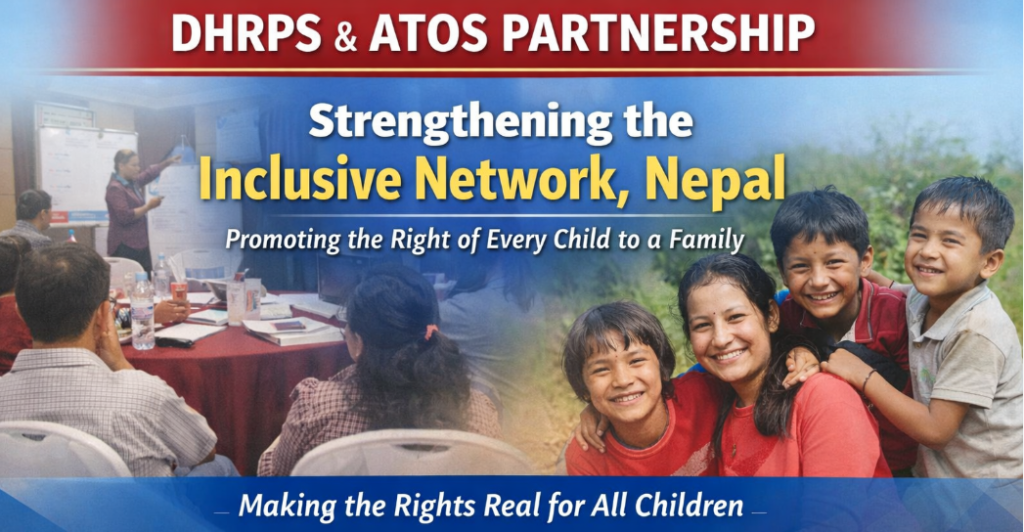
Inclusive Network is a national alliance of 20 diverse organizations some disability-focused and others mainstream united by one purpose: to prevent child separation and ensure inclusive care for all children in Nepal. Network works collectively through one forum to promote equal rights, family reunification, and community-based care. Different members, several organizations collaborate with communities and local governments to develop local services for children with disabilities (CWDs), design reunification strategies for children returning home after years of separation, and strengthen gatekeeping and child protection mechanisms.
Disability Human Rights Promotion Society Nepal has led several advocacy actions, including a petition at the BICON Conference 2023 opposing the Nepalese government’s plan to expand Resource Classes. Our efforts focus on supporting communities and families of children most at risk of separation and trafficking, especially those from marginalized backgrounds.
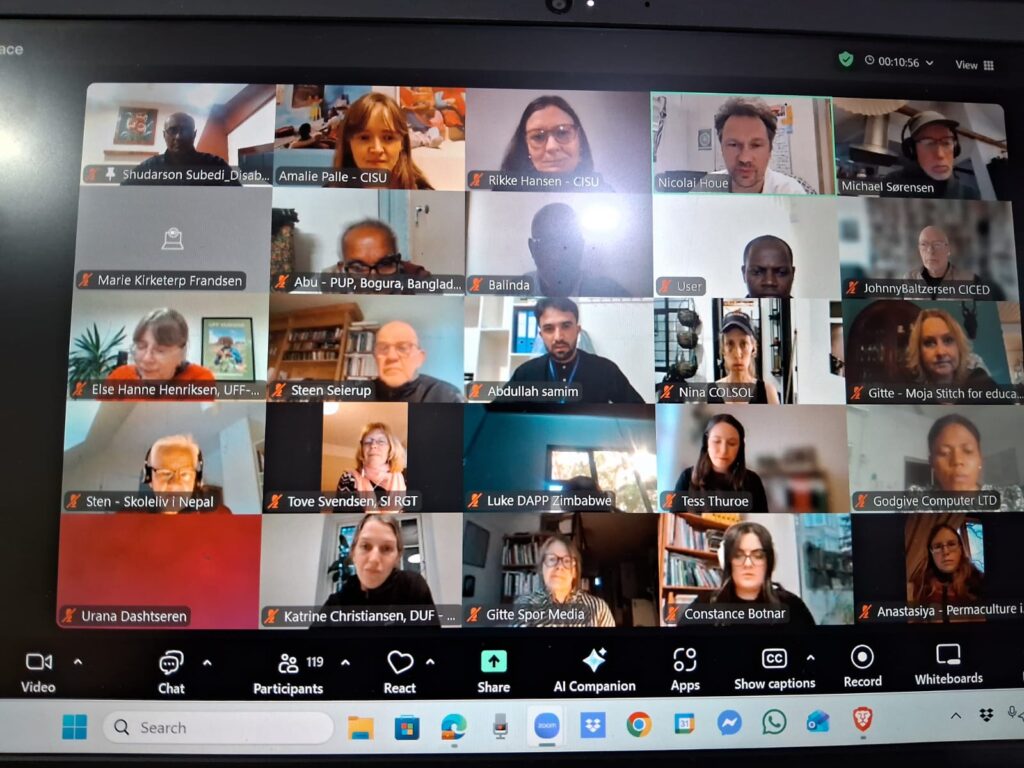
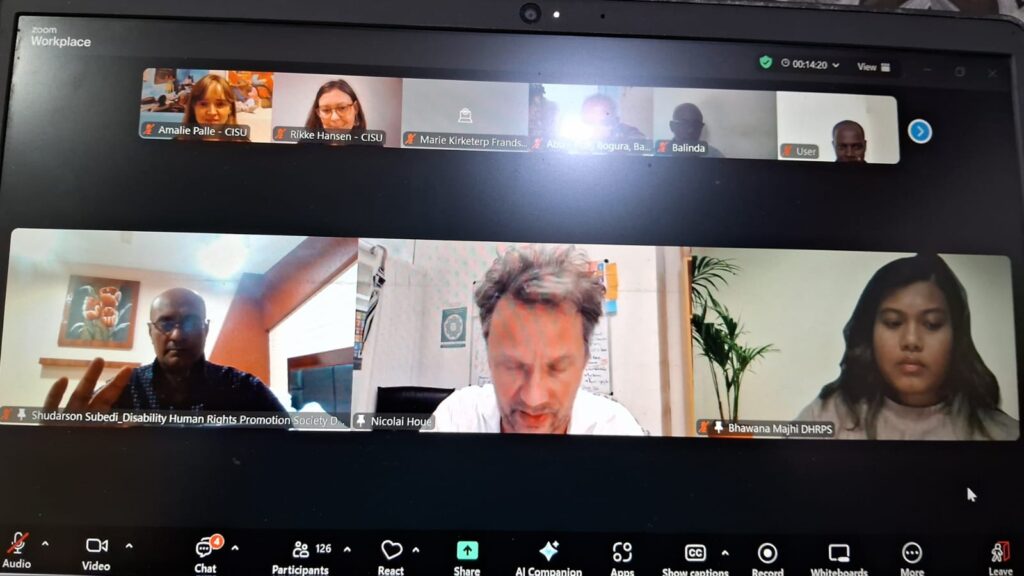
We commemorated to the CISU online keynote on Locally Led Development, organized in partnership with Alternatives to Separation (ATOS), featuring Degan Ali as the keynote speaker. The conversation strongly resonated with our current work, lived realities, and organizational challenges.
Degan Ali delivered an honest and thought-provoking reflection on what it truly means to shift power within the aid ecosystem. She emphasized that meaningful transformation requires more than changing systems—it demands the “deprogramming” of institutional cultures and a deep reconsideration of who we choose to lead and what kind of culture we want to build. She reminded participants that leadership quality varies across contexts; the issue is not Global North vs. Global South, but the mindsets and power dynamics we reproduce. Institutional change begins at the top, with intentional recruitment, accountability, and values grounded in community trust.
She also spoke candidly about the realities faced by grassroots and rights-based organizations—the struggle to survive, advocate, and create impact. Passion drives activism, but passion alone cannot sustain organizations. Local civil society groups operate within overly complex systems, meet donor-mandated standards, and often spend more time writing proposals than delivering services. These challenges are even greater for disability-rights organizations that work with limited resources and without specialized communication teams.
As Degan highlighted: “We are the ones on the ground. We are the ones with the success stories and creating the change—yet we are the ones who don’t receive the funding.”
If donors trust money more than people and process, can the relationship truly be called a partnership? When footing becomes unequal, the dynamic shifts from partnership to what one participant aptly described as “partner-sheep”—one leads, the other is expected to follow.
The session underscored the urgent need to shift power, funding, and decision-making to local and community actors, and to rethink the current humanitarian and development architecture. Both local actors and INGOs have internalized top-down, donor-driven approaches. Everyone—local NGOs, INGOs, and donors—needs deprogramming.
Degan also warned that the global aid system is unstable and may collapse if it continues on its current path. Her message was equally clear: local leadership must also innovate, not only demand change from donors. For the future of locally led development, stronger and more community-rooted structures are essential.