
Despite Nepal’s constitutional commitments, ratification of international human rights conventions, and the existence of policy frameworks promoting child rights, disability inclusion, and deinstitutionalization, the lived reality for thousands of children remains deeply concerning. Across the country, an estimated 12,000 children continue to live in residential care facilities, of whom nearly 8,000 are children with disabilities. Many of these children remain undocumented, unrepresented, and invisible within national systems separated from families, communities, and opportunities to live with dignity.
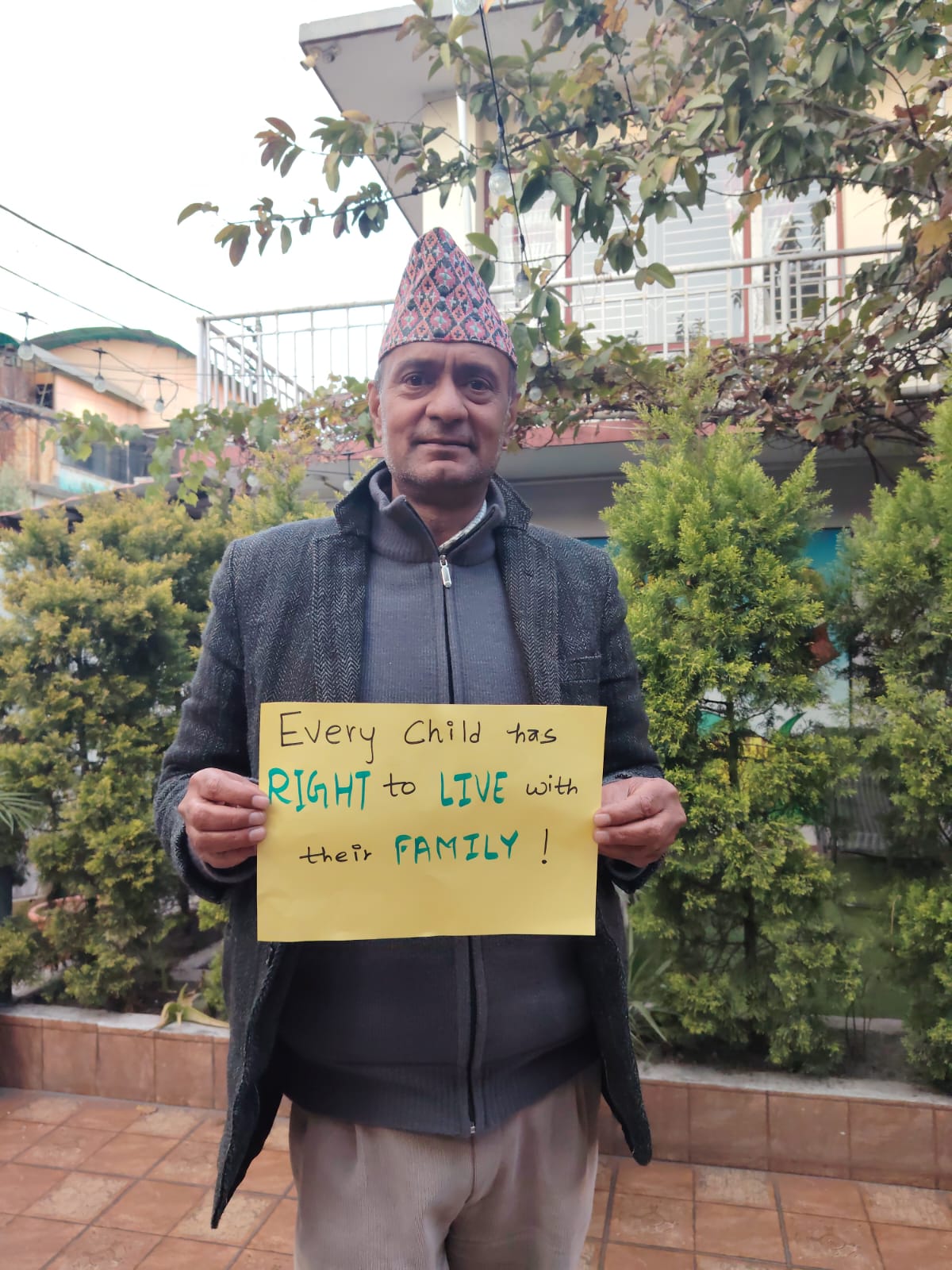
Institutional care is not a solution. It weakens family systems, restricts children’s development, and often perpetuates cycles of exclusion and dependency. Evidence from Nepal and around the world clearly shows that children—especially children with disabilities thrive best within families and inclusive communities, supported by strong social protection, accessible services, and accountable governance.
At Disability Human Rights Promotion Society (DHRPS), we exist to challenge systems that separate children from families and to transform structures that deny children with disabilities their rights. Our work is grounded in the Convention on the Rights of the Child (CRC), the Convention on the Rights of Persons with Disabilities (CRPD), and Nepal’s own legal and policy commitments. We advocate for deinstitutionalization, strengthen community-based care systems, and promote inclusive policies that place children with disabilities at the centre of development.
Through our engagement in national and international initiatives including learning and systems-strengthening efforts supported under CISU-funded and allied programs, we work to address the broader ecosystem of institutionalisation that affects nearly 90,000 people living in various forms of institutional or segregated care, including children, persons with disabilities, and other vulnerable groups. Our approach focuses on systemic reform: strengthening families, empowering communities, building the capacity of local governments, and holding duty bearers accountable for inclusive service delivery.
DHRPS works in close partnership with persons with disabilities, families, OPDs, civil society organizations, and government institutions. We believe that meaningful change is only possible when those most affected—children with disabilities and their caregivers are recognised as rights holders and leaders of change, not passive recipients of care.
The journey toward deinstitutionalization and inclusive community systems is complex and long-term, but it is both necessary and urgent. It requires political will, sustained investment, strong partnerships, and a shared commitment to justice and equality.
I invite development partners, policymakers, and allies to join us in this movement. Together, we can ensure that every child with a disability in Nepal grows up in a safe, loving family and an inclusive community where their rights, dignity, and potential are fully realised.
Let us move beyond institutions and build communities that care.
Shudarson Subedi
Executive Director
Disability Human Rights Promotion Society (DHRPS)