Date: 28 January 2026
Location: Kirtipur, Kathmandu
Organized by: Disability Human Rights Promotion Society (DHRPS)
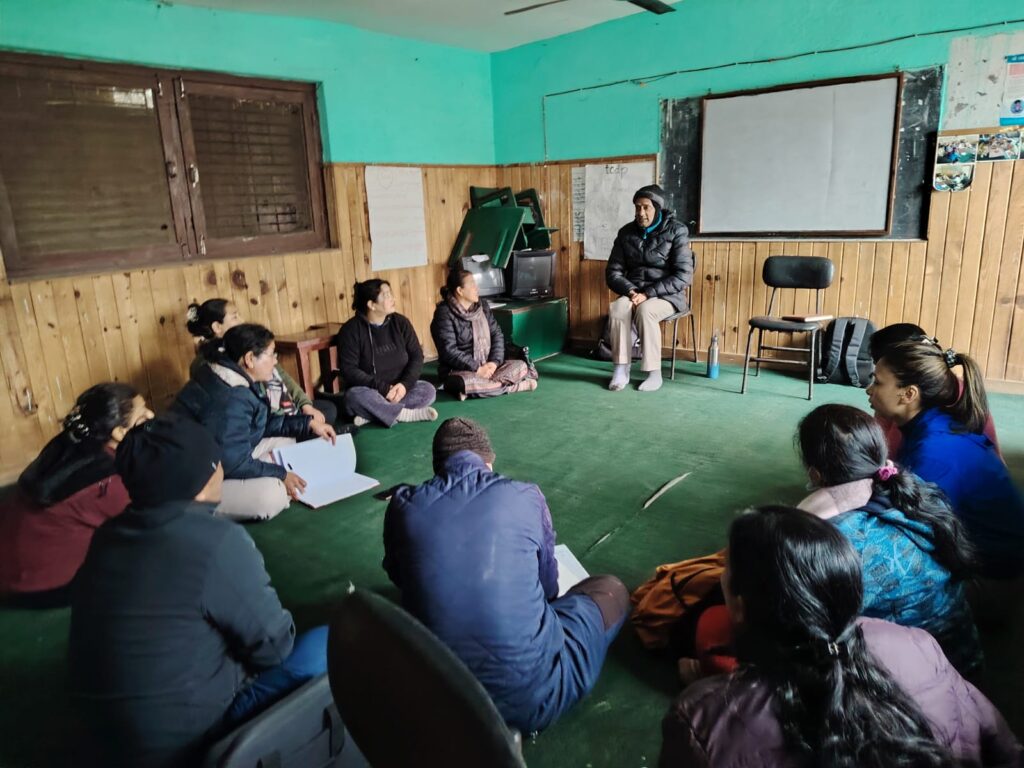
On 28 January 2029, the Disability Human Rights Promotion Society (DHRPS) convened a Parents and Caregivers Dialogue as part of its broader commitment to advancing deinstitutionalization (DI) and family-based, community-centered care for children with disabilities in Nepal.
The discussion brought together parents and caregivers of children with autism, intellectual disabilities, and psychosocial disabilities to reflect on the root causes that push families toward institutional care including lack of inclusive education, inaccessible therapy services, weak social protection, and limited government support at the community level.
Linking Lived Experience to Deinstitutionalization Reform
DHRPS recognizes that deinstitutionalization cannot succeed without strong family and community support systems. When families are left unsupported, institutionalization is often seen as the only option. This dialogue created a space to document how systemic gaps directly affect family decision-making and children’s rights.
Key discussion areas included:
- Barriers that force families to consider institutional placement
- Gaps in inclusive education, health, and rehabilitation services
- Lack of family-based and community-level support mechanisms
- The emotional, social, and economic burden on caregivers
Evidence and shared experiences echoed global and national research showing that nearly 80% of parents of children with severe disabilities feel overwhelmed and underprepared, highlighting the urgent need for preventive, family-strengthening interventions.
From Dialogue to Policy and Systems Change
This initiative is not a service delivery activity, but a strategic advocacy process. Insights gathered from parents and caregivers are being used to develop a deinstitutionalization-aligned advocacy roadmap that calls for:
- Government investment in inclusive education and community services
- Accessible, affordable therapy and psychosocial support
- Family-centered support policies to prevent unnecessary institutionalization
- Accountability mechanisms to uphold children’s rights
By centering parents’ voices, DHRPS aims to ensure that deinstitutionalization efforts are rights-based, evidence-informed, and grounded in lived realities, rather than policy commitments alone.
Why This Matters ?
This dialogue contributes directly to:
- Preventing unnecessary institutionalization
- Strengthening family-based care systems
- Advancing CRPD-aligned, rights-based reforms
- Supporting sustainable, community-level alternatives to institutions
DHRPS continues to work with parents, caregivers, civil society, and development partners to ensure that no child is separated from their family due to poverty, lack of services, or systemic failure.