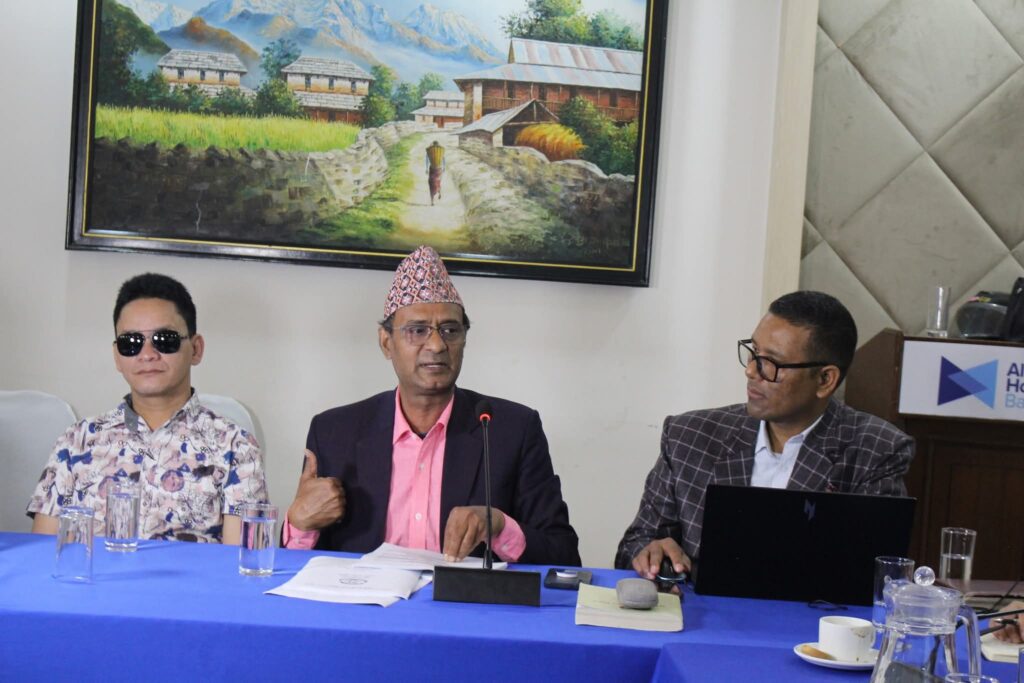
Under the “Hello Parliament” program, the Community Information Network (CIN), in association with UNDP Nepal, convened a powerful and interactive open discussion focused on the proposed amendments to the Disability Rights Act 2074. The dialogue brought together Organisations of Persons with Disabilities (OPDs) from across Nepal, including advocates working on intellectual disabilities, autism, psychosocial disabilities, as well as representatives from indigenous and Dalit communities.
We DHRPS as a participant raised a unified and urgent call for a fundamental overhaul of Nepal’s rehabilitation system, which continues to reflect outdated and regressive practices rooted in the 2039 Act. Despite progressive legal commitments, institutional models remain dominant, particularly affecting children with disabilities who are still separated from their families in the name of care, treatment, or education.
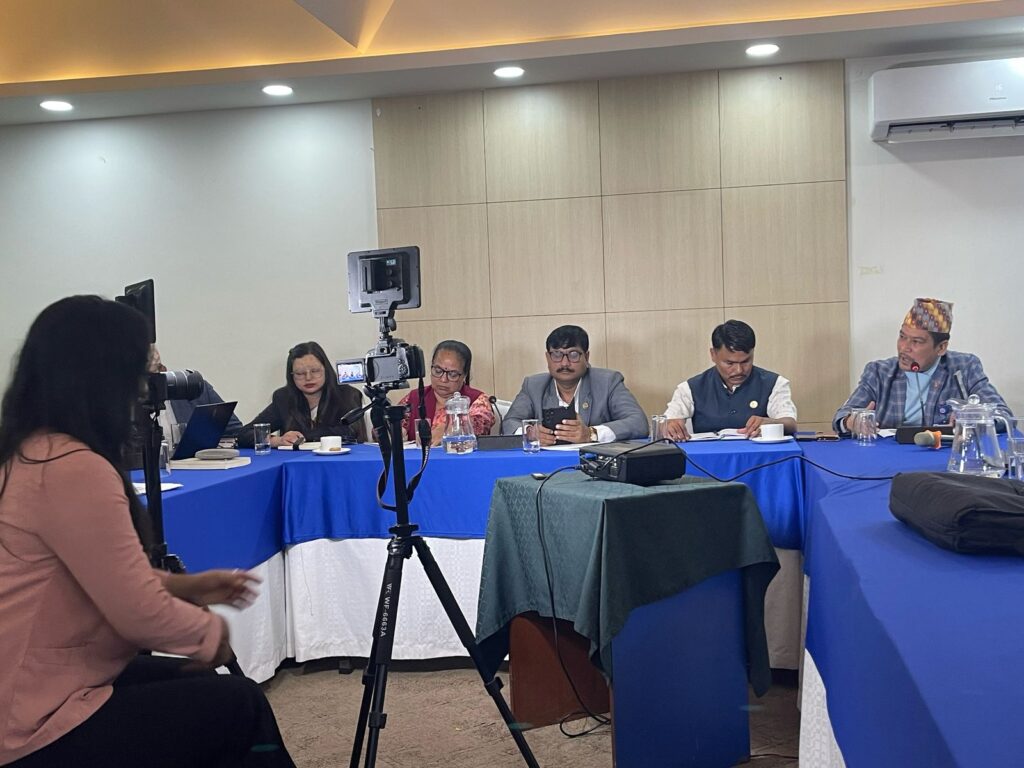
The discussion strongly reaffirmed that children with disabilities do not need institutions—they need love, care, protection, and the warmth of a family environment. Every child has the right to grow up with dignity, safety, and quality of life within their community, not behind closed gates. Participants emphasized that deinstitutionalization is not merely a policy reform but a human rights imperative grounded in the Constitution of Nepal and the UN Convention on the Rights of Persons with Disabilities (CRPD).
Encouragingly, parliamentarians and policymakers present at the discussion demonstrated a willingness to listen and engage meaningfully. Several committed to revisiting the Disability Rights Act, supporting inclusive reforms, and advancing legal and policy changes that protect and empower persons with disabilities—especially children.
The dialogue also served as a moment of reflection. While acknowledging that momentum for reform may have slowed in recent years, participants agreed that it is not too late to act. This collective platform exists to amplify voices that are too often silenced, and there was a shared determination to ensure it does not fall silent.
The message from the discussion was clear and unequivocal:
Institutionalization is not care—it is segregation.
The call to action resonated strongly: Listen. Act. Rise for rights, dignity, and justice.
Say NO to institutionalization. YES to inclusion.