When stories of persons with disabilities are told with dignity and authenticity, they challenge harmful stereotypes and open pathways toward inclusion and social change. Media plays a powerful role in shaping public narratives, influencing policy debates, and driving accountability. Recognizing this, disability rights organisations continue to emphasize the importance of ethical, rights-based storytelling.
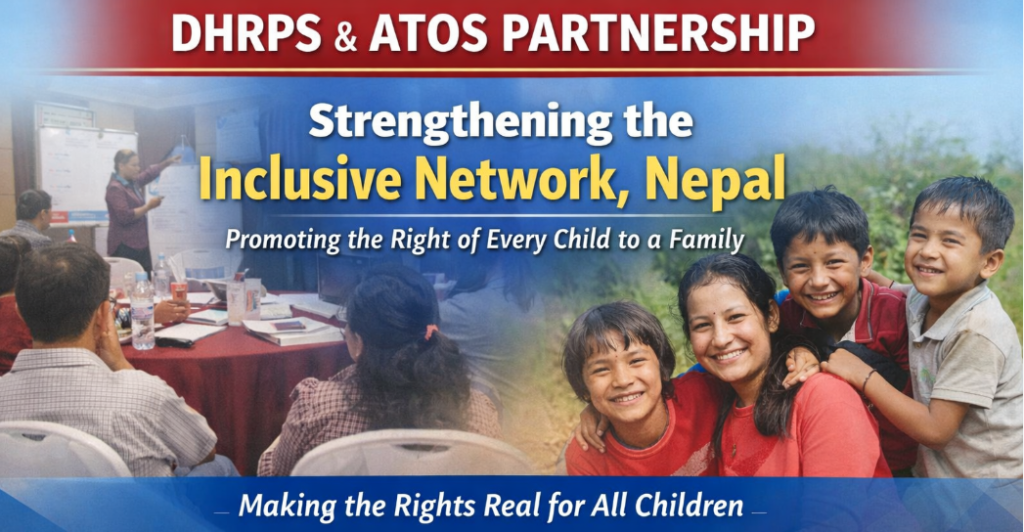
In this context, the Disability Human Rights Promotion Society (DHRPS) actively engaged in discussions on how media can better support the rights of persons with disabilities, particularly children with disabilities affected by institutionalization and family separation. The discussion focused on how storytelling can expose systemic injustices while respecting the dignity, agency, and lived experiences of children and their families.
The DHRPS team highlighted that children with disabilities are often portrayed either as objects of pity or as invisible within mainstream media narratives. Such representations contribute to the normalization of institutional care and weaken public understanding of deinstitutionalization as a rights-based reform. The discussion stressed that media narratives must move beyond charity-based approaches and instead amplify voices that demand inclusion, family-based care, and community support systems.
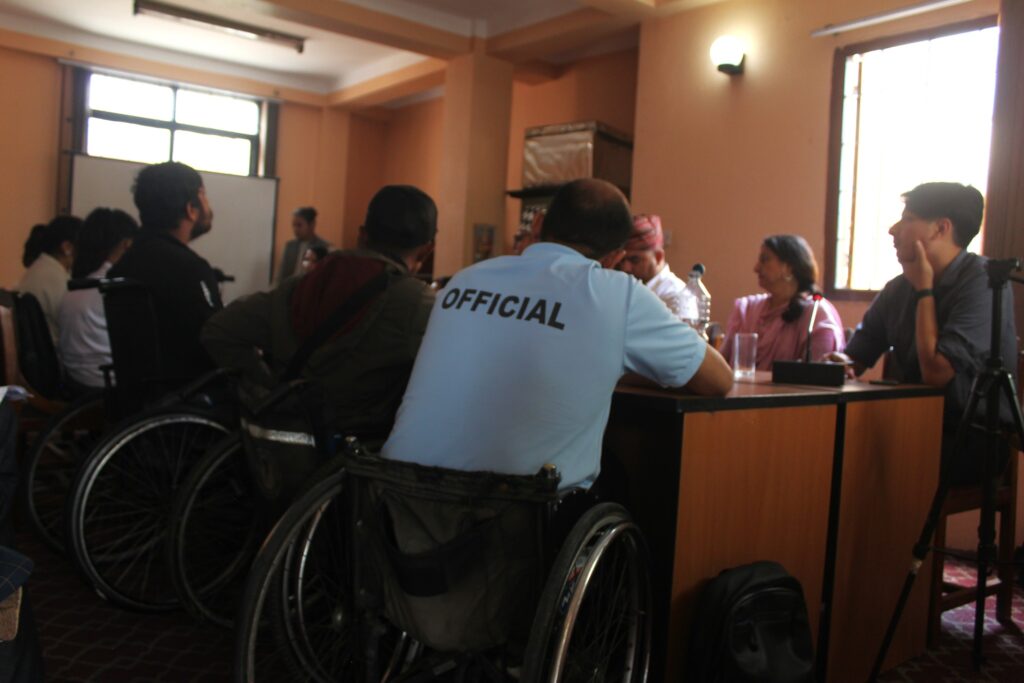
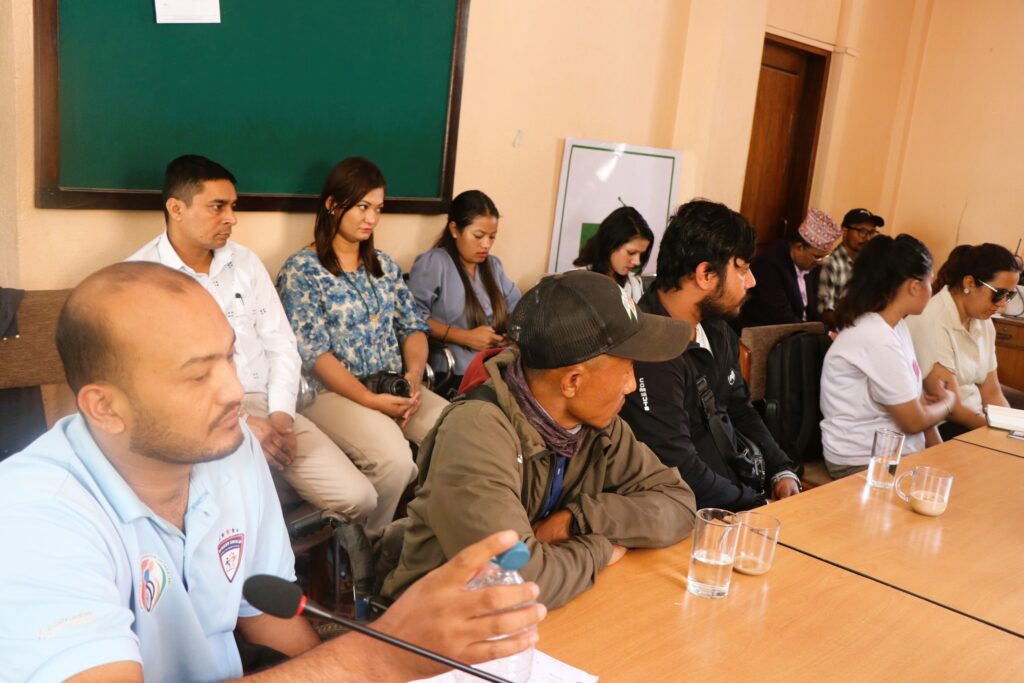
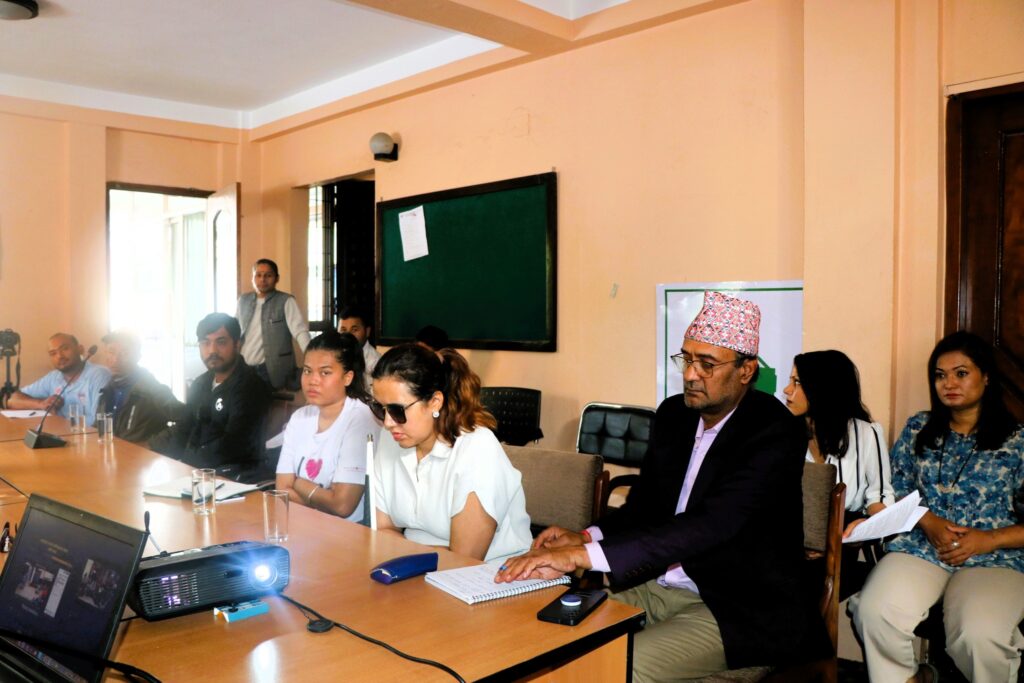
A stakeholder dialogue was jointly organized by ACORAB and Community Information Network (CIN) under the theme(Role of Media in Promoting Inclusion of Persons with Disabilities).The discussion brought together journalists, OPDs, civil society actors, and other stakeholders to reflect on the responsibilities and opportunities of media in advancing disability inclusion.
Participants discussed how collaboration between media professionals, OPDs, and rights advocates can make disability advocacy stronger, more visible, and more impactful. Ethical reporting, inclusive language, disability-disaggregated data, and the participation of persons with disabilities in storytelling were identified as key elements for responsible journalism.
DHRPS emphasized that meaningful change requires media to highlight structural barriers—such as institutionalization, lack of inclusive education, and absence of community-based support—rather than focusing solely on individual impairment. Storytelling rooted in human rights, lived experience, and social justice was recognized as a powerful tool to support deinstitutionalization and promote inclusive communities.
The discussion concluded with a shared commitment to strengthen partnerships between OPDs and media actors to ensure that stories of persons with disabilities are told with dignity, accuracy, and purpose, contributing to policy reform, public awareness, and long-term social transformation.