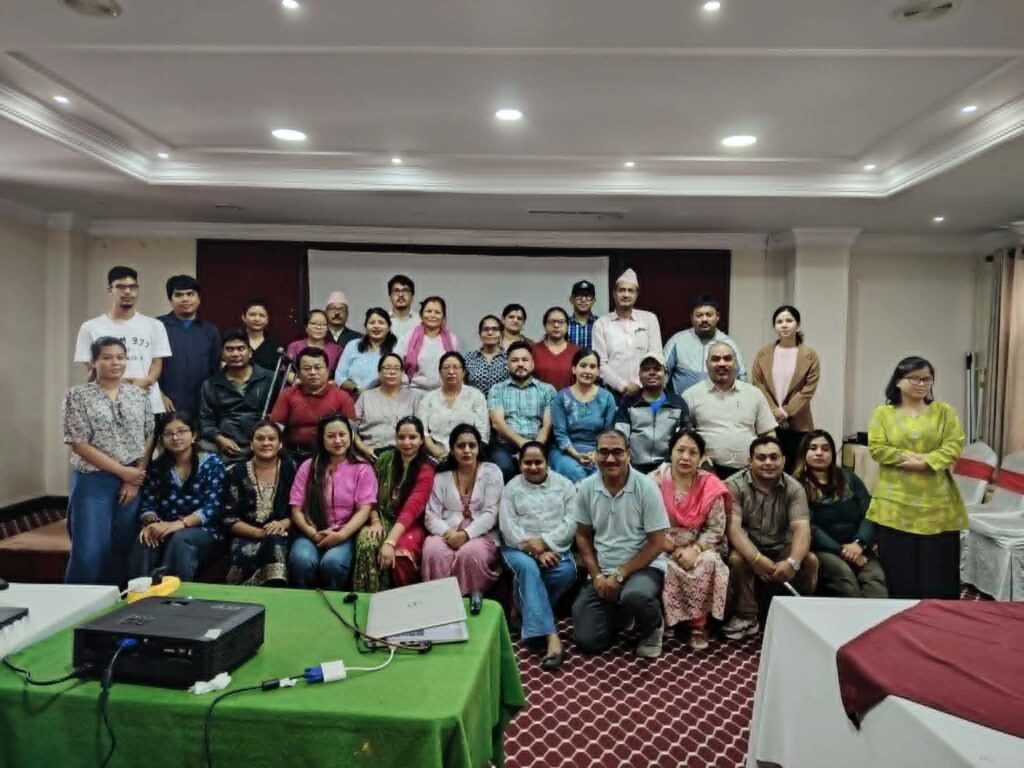
More than 10 civil society organizations, organizations of persons with disabilities (OPDs), child rights advocates, education experts, parents, development partners, and government representatives came together in Kathmandu on Friday with one shared message:
Every child belongs in a family not in an institution.
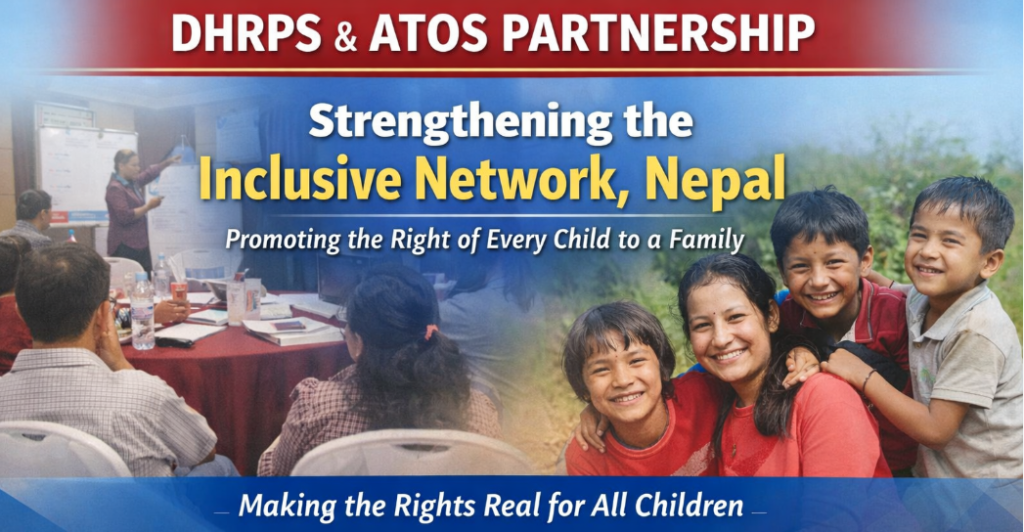
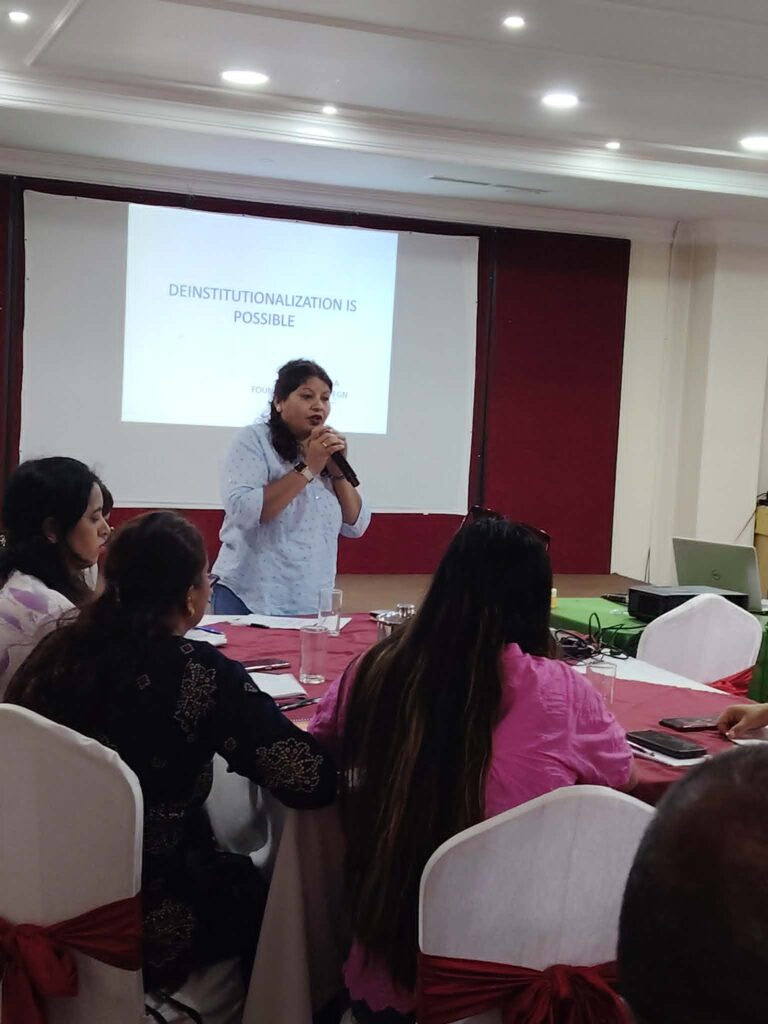
To advance this vision, the Disability Human Rights Promotion Society (DHRPS), as the Lead Organization and Secretariat of the Inclusive Network Nepal, successfully organized a national seminar titled “Deinstitutionalization is Possible” at Hotel Pension Vasana, Dillibazar. The seminar formed part of the Inclusive Network’s national advocacy initiative supported by ATOS – Alternatives to Separation (Denmark) and CISU, promoting the implementation of the 2019 United Nations Resolution on the Rights of the Child, which recognizes every child’s right to grow up in a family environment.
Why This Dialogue Matters
Although Nepal has committed internationally to initiating the deinstitutionalization of children, thousands of children continue to live away from their families.
Current estimates indicate that:
- Approximately 12,905 children live in residential child care homes across Nepal.
- Nearly 90% of children living in these institutions have at least one living parent.
- Around 6,000 children with disabilities are currently living in residential Resource Classes.
- More than 2,000 additional children reside in special schools away from their families.
- Many residential facilities continue to operate under different names, including hostel or boarding arrangements, making the actual number of separated children even higher.
Sources: https://www.ohchr.org/EN/HRBodies/CRC/CRC30Pledges/Pages/Nepal.aspx
Nepal Pledge 2019 https://www.inclusiveeducationnepal.org/news-event/quarterly-impact-report-jan-march-2026/
Separation of children in Nepal- https://www.youtube.com/watch?v=KCHbQdcs4YU
UBS Optimus Foundation and the Law Futures Centre, Griffith University, entitled ‘Enhancing the identification, prosecution and prevention of orphanage trafficking through the legal frameworks of Nepal, 2021
Tribhuvan University, national university of Nepal RCRD, Resource Centre for Rehabilitation and Development Nepal
Convention on the Rights of Persons with Disabilities
These figures demonstrate that separation is often driven not by the absence of families, but by poverty, lack of community-based services, inaccessible education, limited disability support, and social misconceptions. Research consistently shows that prolonged institutional care negatively affects children’s emotional wellbeing, cognitive development, social inclusion, and long-term life outcomes.
Recognizing these challenges, DHRPS and the Inclusive Network Nepal are advocating for a shift from institutional care toward family strengthening, inclusive education, community-based support services, and family reintegration.
From Policy Commitments to Practical Action
The seminar was organized as one of the flagship advocacy activities under the Inclusive Network Nepal project, which aims to strengthen civil society leadership and accelerate Nepal’s transition toward family-based care.
As the Secretariat of the Inclusive Network Nepal, DHRPS coordinates a coalition of organizations working across disability inclusion, child protection, inclusive education, and community development. The Network promotes collaboration, evidence generation, advocacy, and policy dialogue to support the Government of Nepal in implementing a comprehensive national deinstitutionalization strategy.
The seminar created a unique platform where professionals from different sectors shared experiences, explored successful practices, and discussed practical pathways for ensuring that children can remain safely within their families while accessing quality education and essential support services.
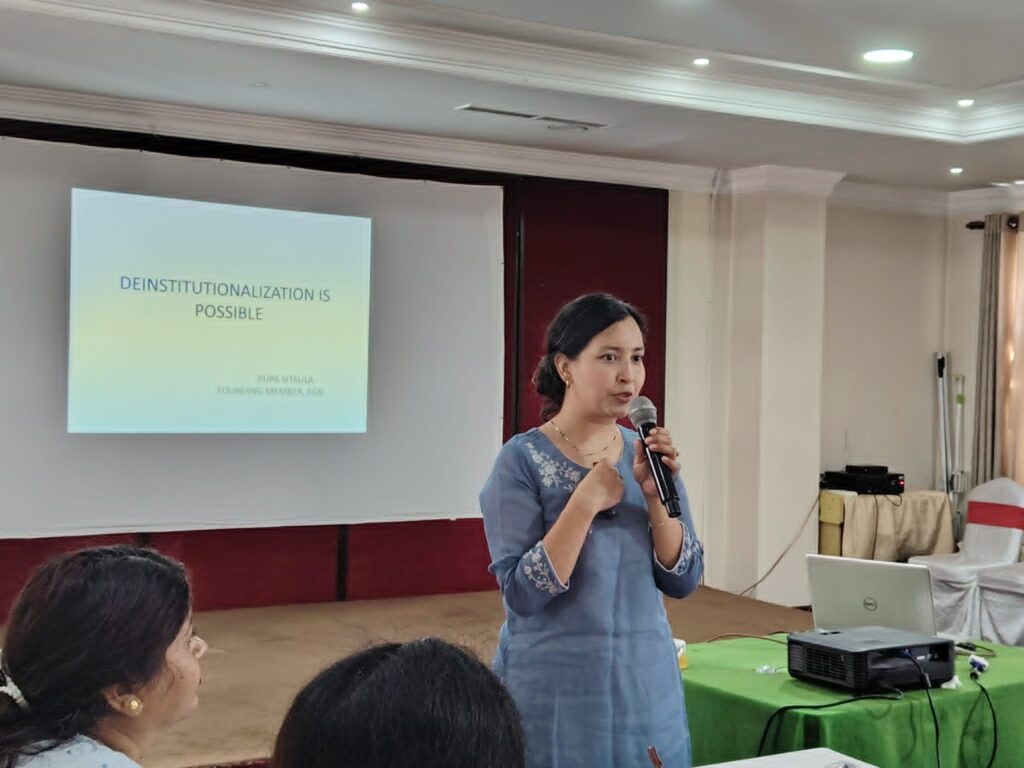
Sharing Evidence That Change Is Possible
One of the keynote presentations was delivered by Ms. Rupa Sitaula – Founder of Future Generation Nepal, who shared practical lessons from years of experience supporting family reintegration and alternative care.
Her presentation demonstrated that institutional care is not the only solution for vulnerable children. Through coordinated case management, family strengthening, livelihood support, child protection mechanisms, temporary safe care, and community-based services, many children have successfully returned to safe family environments.
She emphasized that poverty should never become a reason for family separation and highlighted how investment in families creates better long-term outcomes than institutionalization.
Inclusive Education Begins with Belonging
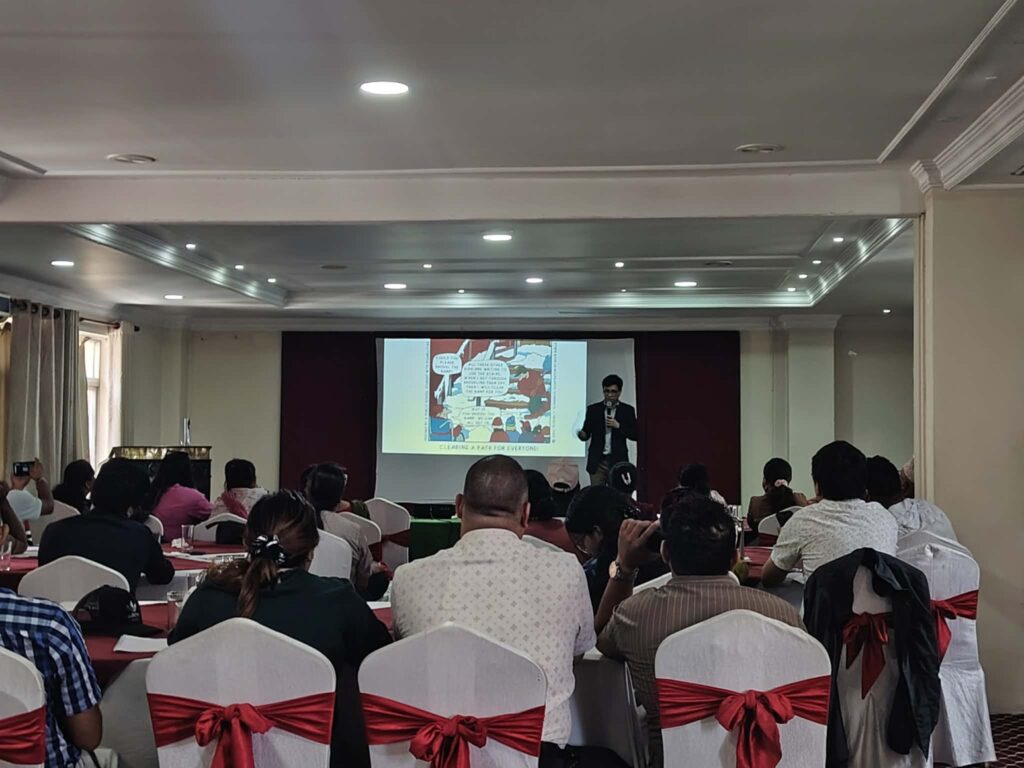
Another keynote presentation was delivered by Mr. Ram Kanta Tiwari, Founder, Inclusive Education Nepal, Faculty chief, Kathmandu University School of Education
He challenged participants to rethink inclusive education beyond school enrolment.
“Inclusive education works only when not just the schools but the entire ecosystem functions together to remove barriers and create meaningful change.”
His presentation highlighted that many children with disabilities continue to face exclusion despite being officially enrolled in schools. Participants shared examples where children are unable to participate in computer classes, extracurricular activities, or classroom learning because schools lack accessible infrastructure, trained teachers, appropriate learning materials, or reasonable accommodations.
Mr. Tiwari stressed that inclusive education must begin in early childhood through accessible learning environments, Universal Design for Learning (UDL), teacher preparation, family engagement, early identification of developmental needs, and play-based learning.
A Collective Commitment
Throughout the discussions, participants agreed that Nepal must move beyond isolated projects toward coordinated national action.
The seminar concluded with a collective commitment to:
- Prevent unnecessary separation of children from their families.
- Expand community-based and family-centred services.
- Strengthen inclusive education systems at all levels.
- Improve collaboration among government agencies, OPDs, civil society organizations, schools, and local governments.
- Develop a comprehensive National Deinstitutionalization and Care Reform Strategy aligned with Nepal’s commitments under the Convention on the Rights of the Child and the Convention on the Rights of Persons with Disabilities.
Looking Forward
For DHRPS and the Inclusive Network Nepal, this seminar represents more than a single event it marks another important milestone in a growing national movement advocating for children’s rights, disability inclusion, and family-based care.
Changing systems requires changing mindsets. By bringing together diverse voices, sharing evidence, and building partnerships, the Inclusive Network is contributing to a future where no child is separated from their family simply to access education, care, or support.
Because every child deserves not only an education but also the love, protection, identity, and belonging that only a family and an inclusive community can provide.